
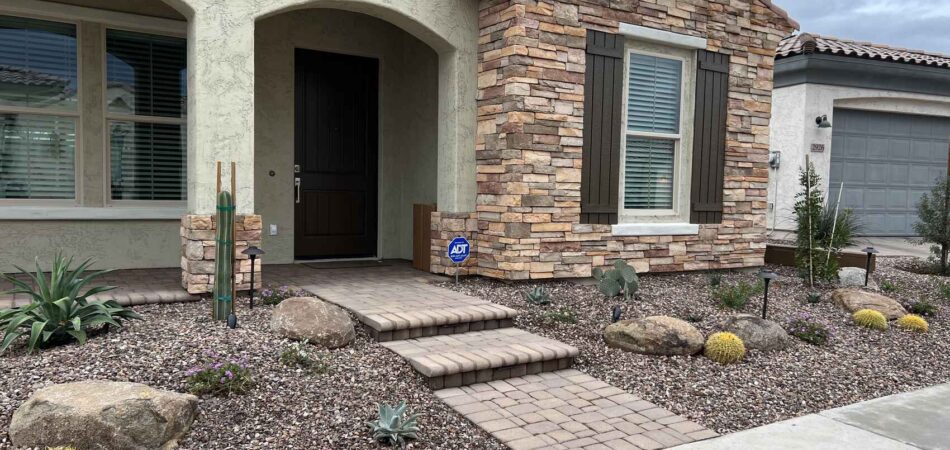
Creating a beautiful yard in Arizona is a unique challenge. The extreme temperatures, low rainfall, and soil conditions all play a significant role in how well your landscape thrives. Homeowners often begin their outdoor projects with excitement and vision, but without understanding the specific climate and environmental demands, it’s easy to fall into traps that lead to wasted money, water, and effort. Understanding the most common landscaping mistakes made in Arizona can help homeowners avoid them and enjoy a healthier, more sustainable, and visually appealing yard.
Ignoring Arizona’s Climate and Soil Conditions
One of the most frequent landscaping mistakes in Arizona involves underestimating the importance of the region’s unique desert climate. Arizona experiences sweltering summers, limited rainfall, and dramatic temperature shifts. This makes traditional gardening techniques used in other parts of the country ineffective, if not outright damaging.
Homeowners often plant vegetation that thrives in cooler, wetter climates without considering whether those species can survive in high heat and with minimal water. Kentucky bluegrass, for example, is a popular lawn choice in other states but quickly becomes a costly and unsustainable headache in Arizona.
Equally important is soil quality. Arizona’s soil is typically alkaline, rocky, and low in organic material. It lacks the nutrients needed to support many non-native plants. Skipping soil testing and amending leads to poor plant growth or failure altogether. Instead, using native or desert-adapted plants along with proper soil preparation can significantly increase a landscape’s success and sustainability.
Overwatering or Using Inefficient Irrigation Systems
Water is a precious resource in Arizona, yet one of the most common landscaping mistakes homeowners make is overwatering or using outdated irrigation systems. The instinct to water plants daily, especially in summer, is understandable but not always necessary or beneficial. Many desert-adapted plants are drought-tolerant and only need deep watering once or twice a week. Frequent shallow watering can weaken root systems and make plants more vulnerable to heat stress and disease.
Additionally, many homeowners use spray sprinklers designed for lawns in areas with shrubs, trees, or groundcovers. These sprinklers often result in high evaporation rates and water loss. Drip irrigation systems are far more effective for most Arizona landscapes. They deliver water directly to the root zone with minimal waste.
Poorly maintained irrigation systems are also problematic. Clogged emitters, leaking pipes, or broken timers can go unnoticed for weeks, wasting thousands of gallons of water. Regular maintenance and a smart irrigation controller that adjusts watering schedules based on weather conditions can dramatically improve water efficiency and reduce waste.
Choosing the Wrong Plants for the Desert Environment
Selecting the wrong types of plants is a landscaping mistake that has long-term consequences in Arizona. Homeowners are often drawn to the bright colors and lush foliage of non-native species found at big box garden centers, but those plants may not be suited for the desert’s harsh environment. While they might thrive temporarily, they often struggle or die in extreme heat or during drought conditions, requiring replacement and additional expense.
Arizona is home to a rich variety of native and desert-adapted plants that are both beautiful and resilient. These include species like agave, desert willow, lantana, and penstemon, which not only survive but thrive in high temperatures and dry soils. They also support local wildlife, including pollinators like bees and hummingbirds.
Incorporating native plants reduces the need for fertilizers and pesticides and typically requires less maintenance overall. Avoiding tropical or water-intensive plants is key to ensuring a landscape that endures the Arizona summer and contributes to a more sustainable outdoor space.
Neglecting Shade and Microclimate Considerations
Many homeowners overlook the importance of shade and microclimates when designing their landscapes, which is a significant mistake in the Arizona sun. The layout of your yard, the positioning of structures, and the movement of sunlight throughout the day can drastically affect how plants perform and how comfortable your outdoor space feels.
Without proper shade, patios and living areas become unbearably hot during summer. Likewise, plants that receive full sun exposure in the afternoon often suffer from heat stress, even if they are native to the region. Planting without regard to sun patterns can lead to scorched leaves, wilted flowers, and a higher need for water.
Trees are among the best tools for creating shade, reducing energy bills, and enhancing comfort. However, placement is critical. Trees planted too close to the house can damage foundations, while those placed in open areas can reduce temperatures by several degrees.
Additionally, creating microclimates with strategic use of rocks, walls, or water features can help protect sensitive plants or extend the growing season. Ignoring these elements often results in higher costs and missed opportunities for a functional, enjoyable yard.
Poor Planning and Lack of Long-Term Vision
A landscape should be viewed as a long-term investment, yet one of the most avoidable landscaping mistakes is rushing into design decisions without a clear plan. Many homeowners begin planting without considering spacing, plant growth patterns, maintenance requirements, or how their yard will evolve over the years. This leads to crowded beds, blocked walkways, or excessive trimming and replanting.
Another common issue is failing to define the purpose of outdoor areas. Whether it’s for entertaining, gardening, or play, every section of the yard should have a functional goal. Without this clarity, landscaping often becomes disjointed and less usable.
Lack of planning can also result in expensive mistakes like installing too much turf that requires constant mowing and watering or building a firepit in an area prone to wind. Taking the time to consult with landscape professionals, use design software, or draft a layout by hand can help prevent costly rework.
Maintenance is another key part of long-term planning. A low-maintenance landscape is possible, but only if it’s intentionally designed with the right plants, hardscape features, and irrigation in mind. Without that foresight, a yard can become a time-consuming burden.
Conclusion
Landscaping in Arizona requires a thoughtful approach that respects the region’s climate, soil, and natural resources. By understanding and avoiding these common landscaping mistakes, homeowners can create yards that are not only beautiful but also practical and sustainable. Prioritizing native plants, using efficient irrigation systems, planning for shade, and thinking long-term all contribute to a landscape that thrives even in the desert’s most extreme conditions.
The rewards for doing it right are worth the effort. A well-designed Arizona yard conserves water, supports local ecosystems, reduces energy use, and enhances your home’s value and livability. With a little planning and an understanding of what to avoid, homeowners can enjoy an outdoor space that brings year-round satisfaction.
Need a Landscape Designer in Phoenix, AZ?
Landscape 20/20 is a family run business. We are a team of some of the best designers, masons, landscapers, and service people around. We take pride in the quality of our work and offer very competitive pricing. We offer services such as pavers, travertine, barbecues, fire pits, turf, pergolas, and everything else that has to deal with landscaping. With over 30 years of experience and a strong desire to make sure our customers fall in love with their yards, we strive for the best service and final product. Contact us today and let us do our best to help make your landscape experience the best possible.