
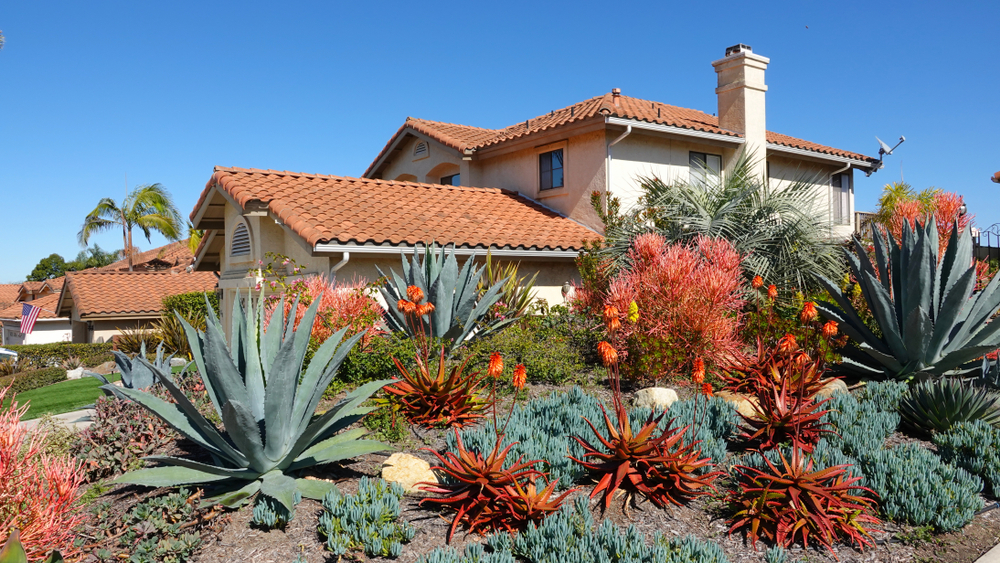
If you live in a warm, dry climate, you have probably asked yourself a frustrating question at least once: Can a yard look green and vibrant without constantly running the irrigation system? The answer is yes. A beautiful landscape does not have to rely on excessive watering to feel full, layered, and alive. In fact, some of the most visually striking outdoor spaces are designed around smart water use.
Home and business owners are increasingly searching for low water landscaping ideas that align with rising utility costs, water restrictions, and environmental responsibility. The good news is that drought-conscious design does not mean settling for sparse gravel and a few lonely cacti. With thoughtful plant selection, layered textures, and strategic hardscaping, you can create a landscape that feels lush while using significantly less water. Landscape 20/20 specializes in climate-aware designs that balance sustainability with curb appeal, helping properties thrive in demanding conditions.
Rethinking “Green” in a Dry Climate
When people imagine a lush yard, they often picture expansive lawns and thirsty ornamental plants. Traditional turf, however, is one of the highest water consumers in residential and commercial landscaping. In many climates, lawns require constant irrigation just to survive the summer.
The key to successful low water landscaping ideas is redefining what lush actually means. Lushness is about depth, contrast, movement, and fullness. It does not require excessive water. By incorporating drought resistant plants for landscaping that are naturally suited to your region, you create visual richness without waste.
Climate-aware landscaping starts with understanding local conditions. Soil type, sun exposure, seasonal rainfall patterns, and temperature extremes all influence plant performance. Landscape 20/20 approaches each project with a strategic mindset, selecting plant combinations that are designed to flourish in the existing environment rather than fight against it.
Layered Planting for Visual Density
One of the most effective ways to achieve a lush look with less water is through layered planting. Instead of relying on large expanses of turf, combine groundcovers, mid-height shrubs, ornamental grasses, and small trees to create depth.
Groundcovers such as creeping rosemary or trailing lantana can fill open spaces with greenery while requiring minimal irrigation once established. Above them, structured shrubs provide volume and structure. Ornamental grasses introduce movement and softness, catching light and wind in a way that makes the space feel dynamic.
Small canopy trees offer filtered shade, which helps reduce soil evaporation and protects understory plants. This layered approach creates a sense of abundance without relying on water-intensive species.
Many drought resistant plants for landscaping are surprisingly vibrant. Varieties with silvery foliage, deep green leaves, or even bold blooms can thrive with minimal watering. The result is a yard that feels intentional and full rather than sparse.
Landscape 20/20 integrates these layers strategically, ensuring that plant heights, textures, and colors complement one another while maintaining long-term sustainability.
Smart Turf Alternatives That Stay Green
For homeowners and business owners who still want the look of green lawn areas, modern turf alternatives provide practical solutions. Artificial turf technology has advanced significantly, offering realistic texture and color without ongoing water demands.
Incorporating turf selectively rather than wall-to-wall can dramatically reduce water use. A central lawn panel surrounded by drought resistant plants for landscaping creates a balanced design that feels open and inviting while conserving resources.
Another approach is replacing traditional turf with low-water groundcovers that provide a similar visual effect. Certain hardy grasses and clover blends require far less irrigation than conventional lawn varieties.
When exploring low water landscaping ideas, it is important to consider how the space will be used. Play areas, pet zones, and seating areas each have different needs. Landscape 20/20 helps clients identify where turf makes sense and where alternatives can achieve equal or better results.
Hardscape and Shade as Design Elements
Lush landscapes are not defined by plants alone. Hardscaping plays a significant role in reducing water demand while enhancing visual appeal. Paver patios, decorative gravel pathways, natural stone accents, and shaded seating areas create structure and usability without additional irrigation.
Integrating shade features such as pergolas, ramadas, or strategically placed trees reduces heat buildup and protects surrounding plants. Shaded soil retains moisture longer, meaning plants require less frequent watering.
Hardscape elements also provide contrast that makes greenery stand out more vividly. A bed of drought resistant plants for landscaping framed by natural stone or clean concrete edging appears fuller and more intentional.
Low water landscaping ideas often succeed because they combine plant material with durable surfaces. This balance reduces overall irrigation needs while maximizing outdoor functionality.
Landscape 20/20 approaches design holistically, blending plantings with hardscape features to create outdoor environments that feel complete and thoughtfully composed.
Efficient Irrigation That Supports Sustainability
Even drought-tolerant landscapes require some water, especially during establishment. The key is delivering water efficiently and only where it is needed. Drip irrigation systems are one of the most effective ways to support low water landscaping ideas.
Unlike traditional spray systems, drip irrigation directs water to the base of each plant, minimizing evaporation and runoff. Smart controllers can adjust watering schedules based on seasonal changes, preventing over-watering during cooler months.
Mulching is another essential practice. A layer of organic mulch reduces soil temperature, suppresses weeds, and retains moisture. This simple addition can significantly decrease irrigation frequency while improving plant health.
Landscape 20/20 emphasizes climate-aware irrigation strategies that align with plant selection. By pairing drought resistant plants for landscaping with efficient watering systems, they create landscapes that maintain their vibrancy without unnecessary waste.
Creating Long-Term Beauty with Less Water
The most successful landscapes are not just beautiful on installation day. They are designed to mature gracefully over time. Selecting plants that thrive naturally in your climate ensures long-term performance with minimal intervention.
Home and business owners who embrace low water landscaping ideas often find that maintenance becomes simpler and more predictable. Plants that are suited to their environment require less pruning, fewer replacements, and reduced fertilizer use.
Climate-aware design also supports property value. As water conservation becomes increasingly important, sustainable landscapes are viewed as forward-thinking investments. They demonstrate environmental responsibility while maintaining curb appeal.
Landscape 20/20 brings an inspiring yet practical approach to outdoor design. By understanding local climate realities and translating them into cohesive, attractive landscapes, they help clients move beyond outdated ideas of what a lush yard must look like.
A Greener Future Without Excess Water
Lush landscaping does not have to mean high water bills or constant irrigation. With thoughtful layering, smart turf alternatives, strategic hardscaping, and efficient irrigation, your outdoor space can look vibrant while conserving resources.
For home and business owners seeking low water landscaping ideas, the key is working with professionals who understand climate dynamics and plant performance. Drought resistant plants for landscaping offer far more variety and beauty than many people realize.
Landscape 20/20 combines creativity with environmental awareness, delivering outdoor spaces that are both inspiring and responsible. By embracing sustainable design principles, you can enjoy a yard that feels abundant, inviting, and resilient for years to come.