
As temperatures soar during the summer months, homeowners across the country are discovering that landscape heat protection has become more critical than ever. Climate change and shifting weather patterns mean that extreme heat is no longer a rare occurrence but rather a regular challenge that demands preparation. If you want to keep your outdoor spaces vibrant and healthy while also reducing water consumption and energy costs, learning how to protect landscape from extreme heat is essential. This comprehensive guide will walk you through practical strategies to fortify your landscape against scorching summer temperatures.
The Impact of Extreme Heat on Your Landscape
Before diving into solutions, it’s important to understand what extreme heat does to your outdoor spaces. High temperatures stress plants by increasing water demand, causing leaves to wilt and turn brown, and potentially killing sensitive species altogether. Soil temperatures can rise so dramatically that they damage root systems and beneficial microorganisms. Pavement and hardscaping materials absorb and radiate tremendous amounts of heat, creating what scientists call heat islands that make surrounding areas even hotter. Lawn grasses struggle to photosynthesize efficiently in extreme heat, leading to dormancy or death. Trees become susceptible to pest infestations and diseases when they’re already weakened by heat stress. Understanding these challenges helps you take action before summer arrives and your landscape suffers irreversible damage.
Selecting Heat-Tolerant Plants and Trees
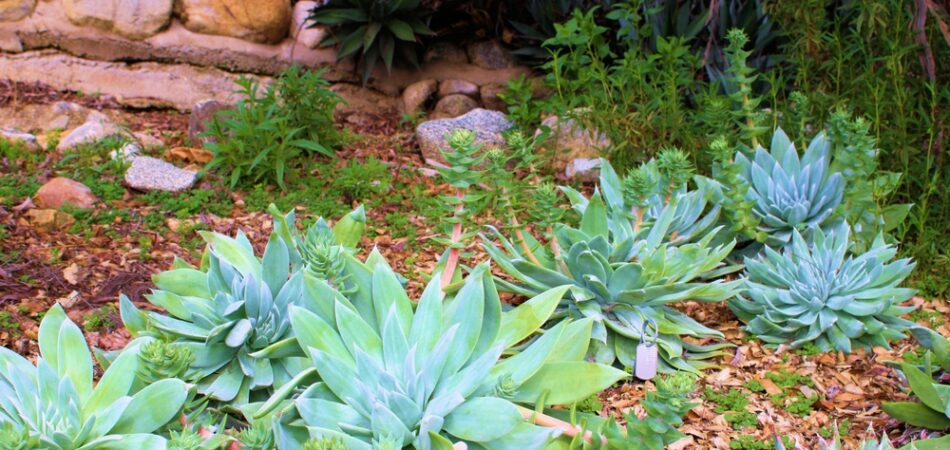
One of the most effective forms of landscape heat protection involves choosing plants that naturally thrive in hot, dry conditions. Native plants from your region have evolved to handle local climate extremes and require minimal intervention once established. Consider incorporating drought-tolerant species like sedums, ornamental grasses, lavender, and Russian sage into your garden beds. For shade trees, look into species like desert willow, Texas ash, live oak, or crape myrtle, depending on your climate zone. Mediterranean plants such as olive trees, rosemary, and santolina not only tolerate heat beautifully but also add visual interest and fragrance to your landscape.
Research plants rated for your USDA hardiness zone and look specifically for those with high drought tolerance ratings. Many nurseries now label plants with heat and drought resistance information to help you make informed choices. When you replace plants that struggle in heat with resilient alternatives, you’re making a long-term investment in a landscape that thrives rather than merely survives. This approach reduces the stress of constantly trying to keep unsuitable plants alive through extreme conditions.
Improving Soil Health and Moisture Retention
Healthy soil is the foundation of a landscape that can withstand extreme heat. Soil rich in organic matter holds moisture better, stays cooler, and provides plants with better nutrient access. Start by adding two to three inches of compost or mulch to your garden beds each spring. This layer helps retain soil moisture, keeps roots cooler, and gradually breaks down to improve soil structure. Mulch also prevents the soil surface from reaching dangerously high temperatures that can damage shallow root systems.
When applying mulch, keep it several inches away from tree trunks to prevent rot and pest problems. Use natural materials like wood chips, bark, or straw rather than dark-colored rubber mulches that absorb and radiate heat. Consider using shade cloth over sensitive areas during peak heat times if you don’t have adequate tree cover. Adding organic matter consistently over seasons transforms compacted, lifeless soil into living earth that supports thriving plants. Healthy soil makes a dramatic difference in how well your landscape can handle stress from extreme temperatures.
Strategic Watering and Irrigation Practices
Proper watering is crucial when learning how to protect landscape from extreme heat, but many people water inefficiently. Deep watering encourages deep root growth, which helps plants access water during dry periods and survive heat stress better. Water early in the morning before temperatures peak, allowing soil to absorb moisture before the sun’s intensity increases. Avoid watering in the evening, as this can promote fungal diseases and allow water to evaporate before plants can use it effectively.
Install drip irrigation or soaker hoses rather than relying on sprinklers that waste water through evaporation. These systems deliver water directly to the soil where plants need it, improving efficiency and plant health simultaneously. Use mulch to reduce evaporation from the soil surface. Consider installing a rain barrel system to capture water during cooler months for use during summer heat waves. Monitor soil moisture regularly because different areas of your landscape may have different water needs. Clay soils retain moisture longer than sandy soils, so adjust your watering schedule accordingly. Smart irrigation controllers can automatically adjust watering schedules based on weather patterns, helping you maintain adequate moisture without waste.
Creating Shade and Managing Heat Exposure
Strategic shade is one of the most powerful tools in landscape heat protection. Mature trees provide cooling benefits that extend far beyond the area directly beneath their canopies. Trees can reduce surrounding air temperatures by as much as eight degrees, according to environmental studies. If you don’t have established shade trees, plant them now, selecting species that will grow to appropriate sizes for your property. Fast-growing trees can provide some relief within a few years, while slower-growing species offer long-term benefits.
Install shade cloth over delicate plants during peak summer months, typically from June through August in most regions. Use forty to fifty percent shade cloth for most plants, but research specific requirements for your plant species. Patio covers, pergolas, and arbors provide shade for outdoor living areas while also allowing air circulation. Consider painting hardscape surfaces with reflective coatings to reduce heat absorption, or replace dark surfaces with lighter-colored materials that don’t contribute to heat island effects. Grouping plants strategically so taller species shade shorter ones creates a natural cooling system within your landscape. This tiered approach to shade not only protects plants but also creates more comfortable outdoor spaces for you and your family.
Building Resilience Through Landscape Design
Long-term landscape heat protection involves thinking about your property’s overall design and how it manages environmental stress. Diverse landscapes with varied plant sizes, species, and ages are more resilient than monoculture landscapes. Create layered plantings with tall trees, medium understory plants, and low groundcovers to maximize cooling benefits and water efficiency. Reduce turf grass areas, which require substantial watering and struggle in extreme heat, replacing them with native groundcovers, hardscape, or drought-tolerant shrubs.
Group plants with similar water needs together so you can water efficiently without overwatering some plants or underwatering others. This practice, called hydrozoning, makes irrigation management much simpler. Consider incorporating water features like fountains or ponds, which have a cooling effect on surrounding areas. Install windbreaks or screens to protect sensitive plants from hot, drying winds that increase water stress. As you redesign your landscape, think about how each element contributes to overall heat resistance and environmental sustainability. A well-designed landscape becomes an asset that improves property value while providing comfort and beauty.
Conclusion
Preparing your landscape for extreme summer heat requires planning, smart plant selection, and ongoing maintenance, but the investment pays dividends in health and beauty. By implementing landscape heat protection strategies now, you create outdoor spaces that thrive rather than merely survive. Your landscape will require less water, fewer chemical inputs, and less maintenance stress as you shift toward heat-tolerant plants and improved soil management. The result is a more sustainable, resilient outdoor environment that you can enjoy for years to come.
Need a Landscape Designer in Phoenix, AZ?
Landscape 20/20 is a family run business. We are a team of some of the best designers, masons, landscapers, and service people around. We take pride in the quality of our work and offer very competitive pricing. We offer services such as pavers, travertine, barbecues, fire pits, turf, pergolas, and everything else that has to deal with landscaping. With over 30 years of experience and a strong desire to make sure our customers fall in love with their yards, we strive for the best service and final product. Contact us today and let us do our best to help make your landscape experience the best possible.