
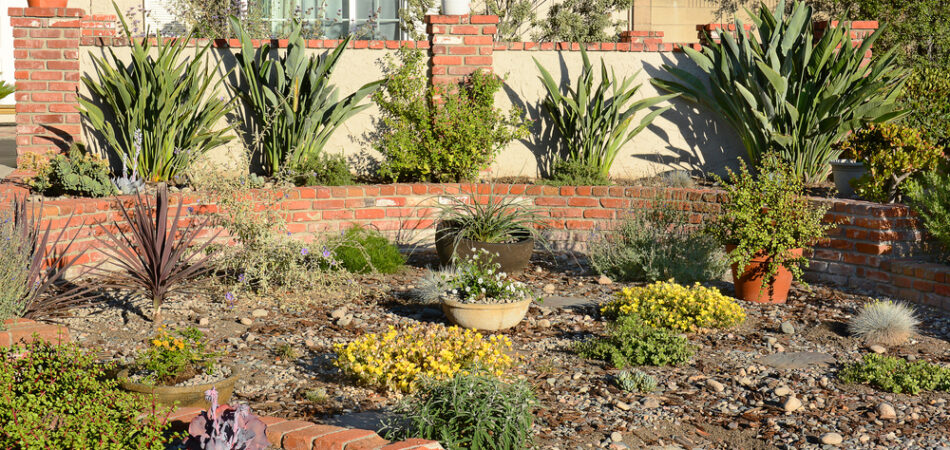
Maintaining a healthy, thriving landscape in desert climates requires a deep understanding of how temperature and precipitation affect your yard throughout the year. In the summer, water is life—but in the winter, overwatering can do more harm than good. While the cooler season brings some relief from the scorching sun, it also introduces a new set of challenges for desert lawn irrigation. To help you keep your lawn and garden in optimal shape, this guide explores effective desert garden irrigation tips for the winter months.
The Impact of Winter on Desert Lawns
Winter in the desert may not bring snow or heavy rain, but it significantly alters how your plants and lawn absorb moisture. Nighttime temperatures often dip near freezing, and daylight hours become shorter. These changes slow plant metabolism, reducing the need for constant watering. For homeowners unfamiliar with these seasonal shifts, continuing a summer watering routine through the winter can lead to problems such as fungal growth, root rot, and wasted water.
Grass species common to desert lawns, such as Bermuda grass, enter dormancy in colder months. Others, like ryegrass, remain active during the winter. The type of grass you have determines how much water your lawn truly needs. By identifying whether your grass is dormant or active, you can tailor your desert lawn irrigation schedule accordingly.
Additionally, native desert plants have evolved to thrive with minimal water, especially in cooler months. Cacti, succulents, and desert shrubs often require no supplemental irrigation at all during the winter if rainfall is adequate. Knowing your plant varieties is key to managing winter irrigation wisely.
Adjusting Your Irrigation Schedule for Cooler Weather
The biggest mistake homeowners make is failing to adjust their irrigation systems when the season changes. In desert climates, winter typically sees daytime temperatures ranging from 60 to 75 degrees Fahrenheit, with much cooler nights. These mild conditions mean that water evaporates more slowly from the soil and plant leaves, requiring far less frequent watering than in summer.
During the winter, most desert lawns and landscaping only need to be watered once every 10 to 14 days, depending on rainfall and plant types. For grass that remains green in the winter, such as overseeded ryegrass, watering every 7 to 10 days is usually sufficient. Trees and shrubs can go even longer between irrigation cycles, often requiring water only once a month.
It’s also essential to water during the warmest part of the day—typically late morning to early afternoon—to prevent water from freezing on plant surfaces and causing damage. Set your irrigation timer accordingly to avoid early morning or late evening watering sessions during winter.
Drip irrigation systems are particularly beneficial in the desert winter because they deliver water directly to plant roots, reducing the chances of evaporation and fungal diseases. Ensure that your drip lines are not clogged and that emitters are still positioned correctly after summer growth.
Recognizing Signs of Overwatering and Underwatering
In the desert, more damage is done by overwatering during the winter than by underwatering. When plants receive more water than they can absorb, especially in cool weather, their roots become vulnerable to rot and fungal diseases. This is especially true for desert-adapted plants, which are used to dry conditions and may suffer if exposed to excessive moisture.
Signs of overwatering include yellowing leaves, mold or fungus growth at the base of plants, and soggy soil that doesn’t dry out between waterings. Conversely, symptoms of underwatering include drooping leaves, dry soil, and browning edges on foliage. However, in winter, drought stress is rare unless the season is unusually warm and dry.
The key to successful desert lawn irrigation in the winter lies in moderation and observation. Check the moisture level of your soil before turning on your irrigation system. Insert a screwdriver or soil probe about six inches into the ground. If it comes out moist, skip watering that day. Monitoring weather forecasts and rainfall totals can also guide your watering decisions.
Preparing Your Landscape for Winter Efficiency
A proactive approach in fall can set your landscape up for winter success. As the days grow shorter, begin reducing watering frequency gradually to help plants adjust to cooler conditions. Fertilizing with a slow-release winter formula can strengthen root systems without encouraging excessive leaf growth, which can be vulnerable to frost.
Mulching around trees, shrubs, and flower beds helps insulate roots and retain soil moisture. Organic mulch, such as bark or wood chips, also reduces weed growth and erosion, adding a layer of protection against cold temperatures.
Another important winter irrigation tip for desert lawns is to check for leaks in your irrigation system. Broken sprinkler heads or cracked pipes waste water and may go unnoticed when watering is infrequent. A thorough inspection at the start of the season can save time, money, and water in the long run.
If frost is expected, cover tender plants with breathable fabric or frost cloth. Avoid plastic, which can trap moisture and cause more harm than good. Protecting your plants from cold snaps helps preserve the effort you’ve put into maintaining your landscape throughout the year.
Sustainable Winter Watering Practices
Conserving water is crucial in desert environments, even during the cooler months. Efficient winter watering isn’t just about saving money on utility bills—it’s about preserving a precious resource. With climate change and population growth putting pressure on water supplies in arid regions, responsible irrigation practices have never been more important.
Smart irrigation controllers, also known as weather-based or ET (evapotranspiration) controllers, automatically adjust watering schedules based on current weather conditions. These devices are ideal for desert garden irrigation during winter, as they help ensure your lawn and plants receive just the right amount of water without waste.
Rain sensors can also pause your irrigation system after a storm, preventing unnecessary watering. By pairing technology with seasonal awareness, you can maintain a beautiful landscape while using far less water than you might expect.
Switching to drought-tolerant plants and landscaping elements, such as gravel beds or native ground cover, can further reduce the need for winter watering. Xeriscaping is not only environmentally friendly but also requires less maintenance year-round.
Incorporating rainwater harvesting systems or installing permeable surfaces can help you take full advantage of rare winter rains. Collecting and using rainwater for your garden is a sustainable practice that aligns with the natural rhythms of desert life.
Conclusion
Navigating winter irrigation in desert landscapes is about understanding the balance between your plants’ needs and the realities of a cooler, drier climate. Overwatering is a common pitfall during this time of year, often doing more harm than good. By adjusting your desert lawn irrigation schedule, observing plant signals, preparing your landscape, and adopting sustainable watering practices, you can ensure a healthy, resilient yard throughout the winter months.
Whether you are caring for a lush winter lawn or maintaining a desert garden filled with native species, your irrigation habits should evolve with the seasons. Embracing the nuances of desert gardening in winter not only preserves the beauty of your outdoor space but also contributes to the long-term health of your plants and the conservation of precious water resources. With thoughtful planning and a few seasonal adjustments, your desert lawn and landscape can thrive—even in the chilliest months of the year.
Need a Landscape Designer in Phoenix, AZ?
Landscape 20/20 is a family run business. We are a team of some of the best designers, masons, landscapers, and service people around. We take pride in the quality of our work and offer very competitive pricing. We offer services such as pavers, travertine, barbecues, fire pits, turf, pergolas, and everything else that has to deal with landscaping. With over 30 years of experience and a strong desire to make sure our customers fall in love with their yards, we strive for the best service and final product. Contact us today and let us do our best to help make your landscape experience the best possible.