
Phoenix, Arizona, is known for its scorching summers and dry climate, but winter brings a subtle shift that can be surprisingly harsh on certain plants. While the daytime temperatures remain relatively mild, nighttime lows often dip into the 30s or even lower. For gardeners accustomed to summer resilience, this seasonal transition requires careful planning and protection strategies. Desert-adapted plants, despite their drought tolerance, can be vulnerable to frost and sudden temperature drops.
Understanding how to protect desert plants from cold becomes a vital skill in any Phoenix gardener’s winter toolkit. Unlike colder climates where snow is the primary concern, Phoenix’s winter hazards come from unexpected frost events that can damage or even kill sensitive vegetation overnight. The challenge lies in recognizing which plants truly need help and which can safely ride out the season without intervention.
Desert winters are deceptive. One day can be warm and sunny, while the next night sees temperatures drop enough to freeze irrigation pipes and blacken tender foliage. Gardeners must adopt a mindset of vigilance, staying attuned to weather forecasts and responding with protective measures at just the right time. This awareness helps not only in saving plants but also in maintaining a healthy, thriving garden through the chillier months.
What Plants to Cover in Phoenix
One of the most common winter gardening questions in the Valley is what plants to cover in Phoenix. Not all vegetation requires wrapping or shielding from the elements, and overprotection can lead to mold, poor airflow, or missed opportunities for natural hardening. The key is identifying which species are cold-sensitive and require active intervention.
Tropical plants such as hibiscus, bougainvillea, banana trees, and citrus trees—particularly young or dwarf varieties—should always be high on your watchlist. These plants are not native to the Sonoran Desert and lack the adaptations needed to survive sudden frosts. Covering them with breathable fabric like frost cloth or burlap can help retain warmth and prevent cell damage from ice crystals.
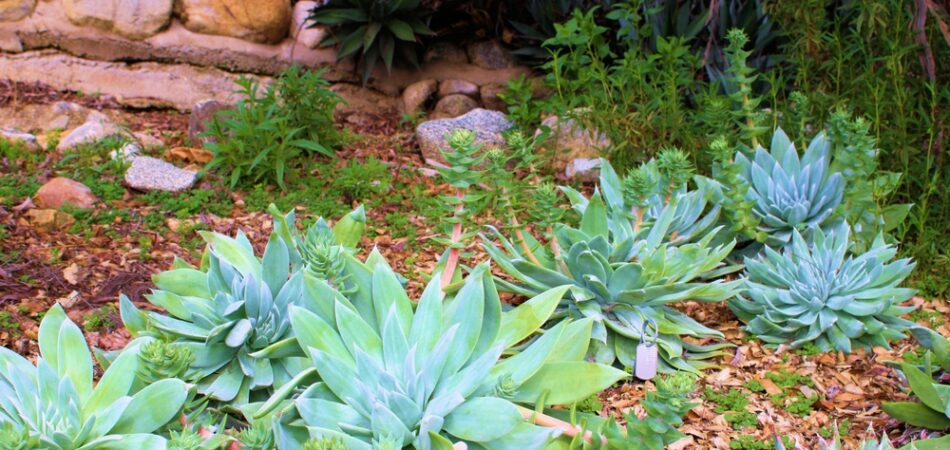
Succulents and cacti, although they might appear tough, vary widely in their frost tolerance. While mature saguaros and prickly pears are built to survive native conditions, aloes, euphorbias, and certain agaves may suffer if temperatures drop too low. Covering these species or moving potted versions indoors or under patio cover can make a significant difference.
Tender annuals and flowering perennials like lantana and Mexican petunias also benefit from covering, especially if a hard frost is forecasted. These plants might regrow in the spring, but protecting their root zones through cold spells ensures a faster and healthier rebound.
What to Leave Uncovered
Not everything in your landscape needs to be bundled up once the temperatures start to drop. In fact, covering some plants unnecessarily can do more harm than good. Native and desert-adapted species, which have evolved to thrive in Arizona’s unique environment, typically do not need winter protection unless they are newly planted or particularly young.
Plants such as Texas sage, brittlebush, chuparosa, and jojoba are naturally equipped to handle occasional frosts and cooler nights. Their growth patterns, foliage density, and internal water regulation enable them to withstand cold snaps without damage. Leaving these uncovered allows them to continue their natural cycles and develop stronger resistance year over year.
Certain trees, such as mesquite, palo verde, and desert willow, also require no winter covering. These deciduous or semi-deciduous species lose leaves in late fall, reducing their exposure to damage. Their root systems remain active below the soil surface, where temperatures stay relatively stable.
Ornamental grasses, often used in xeriscaping, can be left to weather the season naturally. While they may go dormant and turn brown, they add texture and movement to the winter garden and will spring back to life when the temperatures rise again.
Understanding which plants do not need covering not only saves time and resources but also supports the long-term resilience of your garden. Over-coddling can lead to weak growth, making plants more susceptible to stress in the future. Letting desert natives stand exposed is a show of trust in their genetic strength and an acknowledgment of nature’s own winter checklist.
Timing is Everything: When to Cover and Uncover
Knowing when to cover your plants is just as important as knowing what to cover. In Phoenix, frost events typically occur between late November and mid-February, with January often being the coldest month. The key to successful plant protection lies in watching nightly low temperatures and understanding your microclimate.
Many gardeners make the mistake of covering plants too early or leaving covers on during the day. This can trap moisture, limit sunlight, and even cause overheating. Covers should be applied in the late afternoon before a frost is expected and removed in the morning once temperatures begin to climb. The goal is to shield plants during their most vulnerable hours—just before and after sunrise—when the cold has its strongest grip.
Using appropriate materials is also critical. Plastic should be avoided, as it can trap heat unevenly and offer little insulation. Instead, opt for frost cloths, old bedsheets, or burlap. These allow for airflow while trapping enough radiant heat from the ground to keep plants above freezing. Make sure covers extend to the ground and are secured to prevent cold air from seeping underneath.
If you’re using heat sources like string lights or warm water jugs, place them strategically under the cover without touching the plant directly. These supplemental methods are especially useful for citrus trees and sensitive potted specimens.
Once the danger has passed and temperatures stabilize, uncover your plants to allow them sunlight, fresh air, and moisture. Keeping a close eye on the forecast and developing a routine around frost protection can greatly improve plant survival and minimize stress during winter.
Beyond Covering: Other Winter Gardening Tips
Protecting plants from frost is only part of a Phoenix gardener’s winter checklist. Several other tasks can ensure a healthy garden through the colder months and prepare the landscape for spring resurgence.
Watering should be adjusted to reflect cooler temperatures and reduced evaporation. Overwatering in winter can lead to root rot, especially in clay-heavy soils. Most desert-adapted plants require less frequent irrigation during this season, and drip systems should be set accordingly. However, it’s essential to water before a freeze, as hydrated soil holds heat better than dry soil.
Winter is also the ideal time for pruning deciduous trees, as their leafless state reveals the structure of branches and allows for clean, intentional cuts. Remove any dead or crossing branches and shape the canopy to encourage healthy growth in spring. Avoid pruning frost-damaged plants until late February or early March, when you can see the extent of the damage and make informed cuts.
Feeding your garden is best done conservatively in winter. Avoid fertilizing frost-sensitive plants, as new growth may emerge and get damaged during subsequent cold snaps. Focus instead on soil health by adding compost or mulch to protect root zones and enrich the soil for spring.
Lastly, this is a good season to plan. Take notes on what survived, what struggled, and what could be placed differently. Designing your garden with both beauty and hardiness in mind leads to a more rewarding gardening experience year after year.
Conclusion
Navigating a Phoenix winter as a gardener requires observation, preparation, and a solid understanding of the desert’s unique climate. Knowing how to protect desert plants from cold can mean the difference between a thriving garden and one that needs to be replanted each spring. By learning what plants to cover in Phoenix and which to leave exposed, you allow your landscape to flourish naturally, with just the right amount of human intervention.
Timing, materials, and microclimate awareness are all part of a successful winter strategy. But winter gardening is about more than just protection—it’s a time for soil care, thoughtful watering, selective pruning, and forward-looking design. When approached with care and curiosity, the winter months become a season of quiet growth and preparation rather than survival and loss.
Phoenix gardens are resilient, just like the people who tend them. With a balanced approach, your garden can emerge from winter stronger, more beautiful, and ready for another burst of desert color in the spring.
Need a Landscape Designer in Phoenix, AZ?
Landscape 20/20 is a family run business. We are a team of some of the best designers, masons, landscapers, and service people around. We take pride in the quality of our work and offer very competitive pricing. We offer services such as pavers, travertine, barbecues, fire pits, turf, pergolas, and everything else that has to deal with landscaping. With over 30 years of experience and a strong desire to make sure our customers fall in love with their yards, we strive for the best service and final product. Contact us today and let us do our best to help make your landscape experience the best possible.