
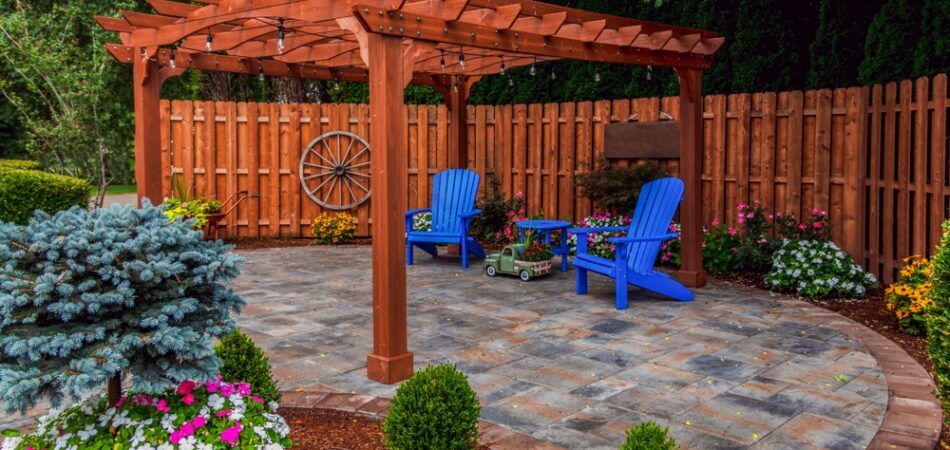
Buying a new home in Phoenix’s North Valley often means making decisions about the yard before you have even finished unpacking. In newer communities around North Phoenix, Norterra, Deer Valley, Desert Ridge, Cave Creek, and nearby areas, homeowners may have a basic landscape package from the builder or a blank backyard waiting for a plan.
Understanding the difference between builder landscaping and custom landscaping can help you decide what to keep, what to change, and where investing in a more personalized design may make sense.
Quick answer: Builder landscaping is typically designed to provide a standardized, broadly appealing landscape that meets the requirements established for a new-home project. Custom landscaping is designed around the individual property, homeowner preferences, outdoor activities, maintenance goals, and Arizona growing conditions. For North Valley homeowners, custom landscaping can also address practical concerns such as intense sun exposure, irrigation, drainage, desert-compatible plants, shade, and usable outdoor living space.
What North Valley homeowners should know
-
Builder landscaping generally starts with a predetermined design or limited selection of landscape options rather than a plan created specifically around your household.
-
Custom landscaping can account for the orientation, sun exposure, grading, drainage, and usable space of an individual Phoenix property.
-
Desert conditions make plant selection and irrigation planning especially important because not every plant performs equally well in exposed North Valley yards.
-
Hardscape, shade, lighting, gathering areas, and other features can be incorporated into a custom plan instead of added individually over time.
-
A newly constructed home does not necessarily mean the landscape already matches how you plan to use the property.
Why Is the Difference Between Builder and Custom Landscaping Important in the North Valley?
The difference matters in the North Valley because a landscape must do more than look finished on move-in day. It needs to function through extreme summer heat, strong sunlight, dry conditions, seasonal monsoon weather, and the practical demands of outdoor living in the Sonoran Desert.
A standard front-yard package may provide the basic appearance required for a new community. That does not necessarily mean it was designed around where your family wants shade, how often you want to maintain plants, whether you entertain outdoors, or how you would like the backyard to function.
Properties around Norterra, Deer Valley, Desert Ridge, and the communities farther north toward Cave Creek can also have different lot layouts and exposures. A plant that receives afternoon shade on one property may face intense western sun on another.
Landscape 20/20 LLC works with homeowners in the Phoenix area, and we approach custom landscaping as an opportunity to consider the entire property rather than simply fill open areas with plants or rock.
What Is Builder Landscaping?
Builder landscaping is generally a standardized landscape installed as part of new-home construction or selected from options offered during the building process. Its primary advantage is convenience, but the level of personalization can be limited compared with a landscape planned specifically for one property.
The exact package varies by builder and community. A front yard might include rock, irrigation, trees, shrubs, or other predetermined elements. Backyards may be completed, partially finished, or left for the homeowner to landscape later.
For a new North Phoenix homeowner, there is nothing automatically wrong with keeping builder-installed landscaping. Existing elements can sometimes become the starting point for future improvements.
The important question is whether the landscape works for your property and lifestyle, not simply whether it is already there.
What Is Custom Landscaping?
Custom landscaping is a property-specific approach that coordinates plants, irrigation, hardscape, outdoor living areas, lighting, drainage, and other desired features around how the homeowner actually wants to use the yard.
In Phoenix, customization also means designing with the desert environment in mind.
The western side of a home may need a different landscape approach than a protected courtyard. A large backyard may need defined activity zones so it does not become an expanse of unused gravel. A household that entertains frequently may prioritize patios, seating, pathways, and lighting, while another homeowner may prefer a quieter landscape focused on desert plants and lower routine maintenance.
A cohesive plan can help these elements work together rather than turning the yard into a series of unrelated additions.
What Local Conditions Should Influence a North Valley Landscape?
North Valley landscaping should respond to heat, sun exposure, water use, drainage, soil conditions, and seasonal weather because these factors directly influence plant performance and how comfortable the yard is to use.
The National Weather Service describes the Phoenix climate as hot and desert-like, with very hot summers and relatively low annual precipitation. The region also experiences summer monsoon activity that can bring thunderstorms, wind, dust, and periods of heavy rainfall.
For landscaping, that makes site-specific planning valuable.
Professional field observations may include looking at where water moves during storms, which portions of the yard receive prolonged afternoon sun, how irrigation zones are organized, and whether plant placement provides enough room for mature growth.
These conditions can vary even between neighboring properties.
What Are Signs Builder Landscaping May Not Fit Your Needs?
Builder landscaping may no longer fit your needs when the yard looks complete but does not provide the comfort, function, appearance, or maintenance level you want from your property.
Common signs include:
-
The backyard has little usable space beyond gravel or bare ground.
-
Outdoor seating areas receive uncomfortable afternoon sun.
-
Plants appear poorly suited to their exposure or available space.
-
Irrigation does not match the different watering needs of the landscape.
-
Drainage patterns create unwanted pooling or erosion after storms.
-
Walkways do not connect the areas of the yard you regularly use.
-
You want outdoor entertaining, lighting, shade, or other features that were not included in the original plan.
-
The front and backyard feel visually disconnected.
For new homeowners, identifying these issues early can make it easier to develop one overall plan.
When Should You Call a Professional Landscaper?
A professional landscaper is worth considering when your plans involve multiple connected elements, significant hardscape, irrigation changes, drainage concerns, or a complete redesign rather than simple plant replacement.
Homeowners can safely observe sunlight, make a list of preferred plants, measure areas, identify how they want to use the yard, and note where water collects after rain.
Professional planning becomes more useful when those observations need to become a coordinated installation.
This is particularly relevant for Phoenix properties where irrigation, hardscape, planting areas, and outdoor gathering spaces all need to work together in a hot desert environment.
Homeowners should also verify applicable HOA requirements and local permit requirements before beginning improvements that may be regulated.
What Are Common Landscaping Challenges for New North Valley Homes?
Common challenges for new North Valley homes include limited shade, unfinished backyards, intense western exposure, irrigation planning, drainage, and landscapes that were designed for basic completion rather than a homeowner’s specific lifestyle.
One major issue is sun exposure. A west-facing patio can feel very different from a shaded east-facing space during warmer months.
Another is water planning. Grouping plants appropriately and considering irrigation while designing the landscape can be more practical than trying to retrofit watering after everything is installed.
Drainage also deserves attention. Monsoon rainfall can expose grading or runoff issues that are difficult to notice during dry weather.
Finally, there is function. A yard can technically be landscaped while still lacking comfortable seating, logical pathways, useful activity areas, or a sense of connection to the home.
How Can Homeowners Improve an Existing Builder Landscape?
Homeowners can improve builder landscaping by first identifying what already works, then developing a coordinated plan for the elements that need to change rather than automatically removing everything.
Start by observing your property through different parts of the day. Note sunny and shaded areas, irrigation coverage, traffic patterns, views from inside the home, and spaces that rarely get used.
Then think seasonally. Phoenix landscapes experience very different conditions in January than in July. A patio that feels comfortable during winter may need substantially more shade to remain useful during hotter periods.
DIY work can be appropriate for simple maintenance and small planting changes. Larger hardscape, irrigation, grading, drainage, and integrated landscape projects are better evaluated as part of an overall plan.
What Results Can You Expect From Custom Landscaping?
Custom landscaping should result in a yard that is more intentionally matched to the property and homeowner, although plant establishment, maintenance needs, shade development, and overall performance will vary according to the design and site conditions.
The immediate result may be clearer organization of the outdoor space. Patios can relate to gathering areas. Paths can connect destinations. Plants can be selected for specific locations. Irrigation can correspond with the planned landscape.
Over time, properly selected plants will also change as they mature. Planning for mature size helps avoid a common problem in newly landscaped yards: installing too much material simply to make the landscape look full immediately.
What Landscaping Mistakes Should New Homeowners Avoid?
New homeowners should avoid making isolated landscaping decisions without considering how each improvement will affect the rest of the yard.
Mistake: Designing only for immediate appearance.
Consequence: Plants can become crowded as they mature.
Better approach: Consider mature plant size and long-term use of the space.
Mistake: Ignoring western sun.
Consequence: A beautiful patio may be uncomfortable during hot afternoons.
Better approach: Evaluate shade and orientation before deciding where gathering areas belong.
Mistake: Installing hardscape before planning irrigation.
Consequence: Future irrigation changes can become more complicated.
Better approach: Coordinate major landscape systems before installation.
Mistake: Copying another Phoenix yard exactly.
Consequence: Different exposure, lot shape, and homeowner needs can produce different results.
Better approach: Use other landscapes for inspiration while designing for your own property.
What Does a Typical North Valley Landscaping Scenario Look Like?
A common North Valley scenario is a homeowner moving into a new construction property with a finished or partially finished front yard and an undeveloped backyard that still needs a clear purpose.
The homeowner may initially consider adding gravel, several plants, and a patio separately.
A more coordinated approach starts by deciding how the backyard will be used. That could include dining, relaxing, entertaining, gardening, play space, or simply enjoying the outdoors. Those priorities can then guide decisions about hardscape, circulation, shade, planting, irrigation, and lighting.
This is a common scenario, not a description of a specific Landscape 20/20 LLC project.
Which Landscape Services Can Help Create a More Complete Yard?
Landscape design and installation services can help turn separate outdoor improvements into a coordinated plan that accounts for both appearance and day-to-day function.
Depending on the property and project scope, homeowners may want to explore planting, irrigation, hardscape, outdoor living features, lighting, or other landscape improvements.
The right combination depends on what is already installed and what you want the property to become.
How Do Builder Landscaping and Custom Landscaping Compare?
Builder landscaping prioritizes standardized completion and convenience, while custom landscaping prioritizes individual property conditions, homeowner preferences, and a coordinated long-term vision.
| Consideration | Builder Landscaping | Custom Landscaping |
|---|---|---|
| Design | Standardized or selected from predetermined options | Planned around the individual property |
| Plant placement | Based on the provided landscape plan | Can account for specific exposures and preferences |
| Outdoor living | May be limited to included features | Can be integrated into the overall design |
| Irrigation | Installed for the included landscape | Can be planned around the custom plant layout |
| Personalization | Usually limited | Higher |
| Future planning | May require later modifications | Can consider future use from the beginning |
Neither approach automatically means tearing out a new landscape. For some homeowners, selectively improving a builder-installed yard may be the practical choice.
Where Do We Serve North Valley Homeowners?
We serve homeowners in the Phoenix area, with North Valley landscaping needs often extending across communities such as North Phoenix, Norterra, Deer Valley, Desert Ridge, and surrounding areas.
For service availability at a specific address or nearby community, contact us directly to confirm that your property falls within our current service area.
What Can Happen If You Put Off Landscape Planning?
Putting off landscape planning can lead to repeated small projects that cost time and may need to be modified when larger improvements are eventually installed.
For example, plants installed today may conflict with a future patio. New hardscape may complicate irrigation changes. A gathering space may later need additional work because afternoon sun was not considered during the initial layout.
You do not necessarily need to build everything at once. Having an overall plan can help individual improvements move toward the same finished result.
FAQ
Is builder landscaping bad for Phoenix homes?
No, builder landscaping is not automatically bad for Phoenix homes. It can provide a functional starting point and may already include useful plants, irrigation, rock, or other elements. The better question is whether the existing landscape fits your lot, exposure, maintenance preferences, and plans for outdoor living.
Should I replace my builder landscaping immediately?
You do not necessarily need to replace builder landscaping immediately. Living with the property for a period can help you understand sun exposure, traffic patterns, irrigation performance, and how you actually use the yard. Those observations can provide valuable information before planning significant changes.
What should I prioritize in a North Phoenix backyard?
A North Phoenix backyard should prioritize function, sun exposure, shade, irrigation, drainage, and appropriate plant placement. Start by deciding how you want to use the space. Once those priorities are clear, hardscape, gathering areas, pathways, planting, and other features can be planned around them.
Why does afternoon sun matter when planning a Phoenix landscape?
Afternoon sun matters because western exposures can receive intense heat during the warmer parts of the year. Patio location, shade, plant selection, and material choices should account for those conditions. Observing your property at several times of day can reveal exposure patterns that are easy to miss during a brief site visit.
Can custom landscaping use parts of my existing builder landscape?
Yes, custom landscaping can potentially incorporate useful existing elements instead of requiring a complete removal. Existing plants, irrigation components, rock, trees, or hardscape may fit into a new plan depending on their condition, placement, and compatibility with your goals. An on-site evaluation can help determine what makes sense to retain.
What plants work best in North Valley landscapes?
Plants suited to North Valley landscapes should be selected according to desert conditions and the specific exposure of the planting location. Sun, reflected heat, available space, irrigation needs, and mature size all matter. Plant selection should therefore be based on the individual site rather than appearance alone.
Do I need HOA approval for landscaping in a North Valley community?
HOA approval may be required depending on your community and the type of landscaping change you plan to make. New homeowners should review their community’s current design guidelines before installing regulated exterior improvements. Requirements can vary between developments, so your own HOA documents are the appropriate source for project-specific rules.
When is the best time to plan custom landscaping in Phoenix?
You can plan a custom landscape throughout the year, but installation timing may depend on the plants, materials, project scope, and weather conditions involved. Planning ahead is particularly useful because it allows homeowners to coordinate irrigation, hardscape, planting, and outdoor living features rather than making rushed decisions one project at a time.
Create a North Valley Yard That Fits the Way You Live
A new home gives you the opportunity to think beyond simply making the yard look finished. By considering Arizona conditions, your property’s exposure, and how you want to use the space, you can develop a landscape plan that feels connected to both the home and your lifestyle.
We can help you explore custom landscaping options for your Phoenix-area property and determine which existing features may fit into the plan.