
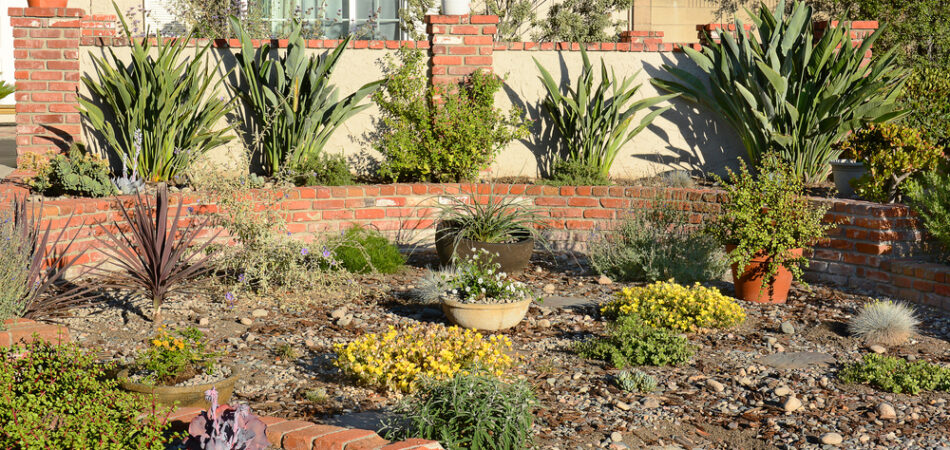
A traditional grass lawn can be difficult to justify in North Phoenix, where intense summer heat, strong sun, and long dry stretches make outdoor water use a major landscaping consideration. For homeowners in communities such as Deer Valley, Norterra, Desert Ridge, and nearby parts of the Valley, replacing thirsty turf can also create opportunities for a yard that better fits the Sonoran Desert.
Quick answer: North Phoenix homeowners who want to replace a lawn have several water-wise options, including desert-adapted xeriscaping, artificial turf, hardscape and outdoor living areas, native or desert-adapted planting beds, and hybrid landscapes that combine several approaches. The best alternative depends on how you use the yard, how much maintenance you want, your property’s drainage and sun exposure, and the look you want to achieve.
What North Phoenix homeowners should know
-
Removing grass does not mean replacing an entire lawn with bare gravel. A water-wise landscape can include trees, shrubs, groundcovers, pathways, seating areas, and other usable features.
-
Plants that tolerate the Sonoran Desert climate are generally better suited to North Phoenix conditions than landscaping designed around frequent irrigation.
-
Artificial turf can preserve the appearance and function of a lawn without routine watering, but heat exposure and installation details should be considered.
-
Monsoon runoff matters, so grading and drainage should be part of the planning process when changing large areas of a yard.
-
Combining several landscape materials often creates a more functional result than relying on one lawn replacement throughout the property.
Why Does Replacing a Lawn Make Sense in North Phoenix?
Replacing a lawn in North Phoenix can reduce the amount of landscape devoted to frequent irrigation while creating an outdoor space better suited to desert heat, sun, and seasonal rainfall. Turf can serve a purpose, but homeowners who rarely use their grass may find that other surfaces and plants provide more value for the space.
The local climate is a major reason to reconsider conventional lawns. Properties around North Phoenix experience prolonged summer heat, abundant sunshine, dry conditions, and bursts of heavy rain during the Arizona monsoon.
Landscape design also needs to reflect how people actually live here. A front lawn that is mostly decorative has different requirements from a backyard used by children or pets. Likewise, a home near Desert Ridge may call for a different layout than a larger property farther north toward Cave Creek.
Landscape 20/20 LLC helps Phoenix-area homeowners evaluate landscape options based on their property and how they want to use their outdoor space. We can help turn unused lawn areas into landscapes designed around local conditions and practical needs.
1. Can Xeriscaping Replace a Traditional Grass Lawn?
Xeriscaping can replace a traditional lawn with a planned combination of low-water plants, appropriately placed trees and shrubs, rock or mulch, and functional landscape features. In North Phoenix, this approach makes it possible to create visual interest without making turf the dominant feature of the property.
A common misconception is that xeriscaping means covering the yard in one color of gravel. Thoughtful desert landscaping can instead use different heights, textures, colors, and focal points.
Plant choices might include desert-adapted trees, flowering shrubs, succulents, cacti, and groundcovers selected for the site’s conditions. The right plants depend on factors such as mature size, sun exposure, irrigation requirements, and proximity to structures and walkways.
For properties exposed to intense western sun, shade can be particularly valuable. Strategically positioned vegetation can make patios, paths, and gathering areas more comfortable while adding dimension to the landscape.
2. Is Artificial Turf a Good Lawn Alternative in Phoenix?
Artificial turf is a practical lawn alternative when homeowners want a consistently green, lawn-like surface without routinely irrigating and mowing natural grass. It can work particularly well in defined recreational areas, but North Phoenix homeowners should account for surface heat, drainage, site preparation, and intended use before choosing it.
Artificial turf is often most effective when used selectively. Instead of covering an entire property with synthetic grass, homeowners can create a defined turf section surrounded by planting beds, pavers, or other desert landscaping.
Heat deserves special attention. Arizona sunshine can make synthetic surfaces hot, particularly in exposed locations during summer. Shade patterns and the way the space will be used should therefore influence placement.
Proper preparation beneath the turf is also important. The finished area needs an appropriate base and drainage strategy rather than simply placing turf where grass once grew.
3. Can Hardscaping Turn an Old Lawn Into Usable Space?
Hardscaping can transform an underused lawn into functional outdoor space by replacing irrigated turf with patios, walkways, seating areas, or other durable surfaces. For North Phoenix homes, it is especially useful when the goal is not simply reducing grass but getting more everyday use from the yard.
Consider what the existing lawn actually does for your household. If the answer is “not much,” part of it might work better as an outdoor dining area, path, gathering space, or extension of an existing patio.
Hardscape should still be planned for the desert environment. Large expanses of exposed material can absorb considerable heat. Combining hardscape with strategically located vegetation, shade, and permeable areas can produce a more balanced yard.
Drainage also matters during monsoon storms. Changing a lawn to hard surfaces can alter how water travels across the property, making grading and runoff part of the design rather than an afterthought.
4. Can Desert-Adapted Planting Beds Replace Grass?
Desert-adapted planting beds can replace grass while keeping a yard colorful, layered, and alive instead of turning it into an expanse of rock. Plants selected for Phoenix-area growing conditions can create seasonal interest and habitat while reducing the portion of the property dependent on lawn-style irrigation.
This approach is particularly attractive in front yards, side yards, borders, and spaces where grass currently serves mainly as decoration.
Good design begins with the site rather than a generic plant list. Areas near walls can experience reflected heat. Trees create changing shade patterns. Low spots may collect stormwater. Plants also need enough room for their mature dimensions.
Drip irrigation can then be planned around the new planting zones rather than watering the entire area like turf.
5. Is a Hybrid Landscape Better Than Removing Every Bit of Grass?
A hybrid landscape is often a useful choice because it keeps lawn-like or planted areas where they serve a purpose and converts the rest into lower-water landscaping. North Phoenix homeowners can combine artificial turf, desert-adapted plants, hardscape, trees, and decorative groundcover according to how different parts of the property are actually used.
For example, a backyard could include a compact turf play area, a paved seating zone, and desert planting beds around the perimeter. A front yard might eliminate grass entirely while using plants and pathways to maintain depth and curb appeal.
This approach avoids treating lawn replacement as an all-or-nothing decision.
It can also help homeowners prioritize their landscape investment. Areas used frequently can receive more functional improvements, while low-traffic areas can be simplified.
What Local Conditions Should Influence Your Lawn Replacement?
North Phoenix lawn replacement should account for extreme sun exposure, desert soils, irrigation needs, drainage, and monsoon runoff before materials or plants are selected. These conditions affect both how a new landscape performs and how comfortable and practical it will be throughout the year.
Our field approach starts with the property itself. A south- or west-facing yard may have very different heat exposure from a shaded side yard. Existing trees, walls, roof runoff, slopes, irrigation lines, and access points can also influence the plan.
The broader Sonoran Desert setting matters as well. Homeowners around Deer Valley, North Mountain, Paradise Valley Village, Desert Ridge, and areas approaching Scottsdale or Cave Creek are landscaping for conditions fundamentally different from wetter parts of the country.
What Mistakes Should You Avoid When Replacing a Lawn?
The biggest lawn-replacement mistakes are removing turf without planning what replaces it, ignoring drainage, and choosing materials solely for appearance. A successful Phoenix landscape needs to function in summer heat, handle seasonal rainfall, support appropriate plants, and fit the way residents use the property.
Mistake: Replacing everything with rock.
Consequence: The yard may technically use less irrigation but lack shade, variation, and useful outdoor space.
Better approach: Combine groundcover materials with appropriately selected vegetation and functional features.
Mistake: Ignoring summer surface temperatures.
Consequence: Exposed hardscape or synthetic surfaces may be uncomfortable during hot weather.
Better approach: Consider shade, orientation, materials, and actual use before deciding where surfaces belong.
Mistake: Forgetting drainage.
Consequence: Removing turf and changing grades or surfaces can alter stormwater movement.
Better approach: Evaluate drainage as part of the landscape plan, particularly before monsoon season.
Mistake: Selecting plants only because they are drought tolerant.
Consequence: A plant can tolerate dry conditions and still be poorly suited to a specific location.
Better approach: Consider mature size, sunlight, irrigation, placement, and maintenance needs together.
What Results Can Homeowners Expect After Lawn Replacement?
Homeowners can expect a properly planned lawn replacement to change both the appearance and function of their property, with results depending on the materials, plants, irrigation changes, and layout selected. A successful project should reflect North Phoenix conditions while giving each part of the yard a clear purpose.
Plant-based landscapes will evolve as vegetation matures. Artificial turf provides a more immediate finished appearance. Hardscape can create usable space immediately, while hybrid designs offer a balance among greenery, function, and water-conscious landscaping.
There is no single ideal lawn replacement for every home. Site conditions and homeowner priorities should determine the solution.
How Do Lawn Replacement Options Compare?
The best lawn replacement depends primarily on whether you prioritize living plants, a lawn-like surface, usable outdoor space, or a combination of those features. Comparing options by function rather than appearance alone can make the decision easier.
| Option | Best Fit | Key Consideration |
|---|---|---|
| Xeriscaping | Desert character and plant variety | Plant selection and placement |
| Artificial turf | Green recreational areas | Surface heat and drainage |
| Hardscaping | Patios and usable gathering spaces | Heat and runoff |
| Desert planting beds | Living, colorful landscapes | Mature plant size and irrigation |
| Hybrid design | Multiple household needs | Coordinating materials and zones |
What Is a Common North Phoenix Lawn Replacement Scenario?
A common North Phoenix scenario is a homeowner maintaining a large grass area even though only a small portion of it is regularly used. Rather than replacing the whole space with one material, the property can be divided into functional zones based on recreation, appearance, shade, circulation, and maintenance priorities.
The unused turf might become desert planting beds and pathways, while a smaller section remains lawn-like for pets or recreation. A patio or seating area can occupy another section.
This is a common scenario rather than a specific Landscape 20/20 LLC project, but it illustrates why planning around how a household uses its yard can be more effective than simply swapping grass for another surface.
When Should You Call a Landscaping Professional?
Professional landscaping help is useful when lawn replacement involves grading, irrigation changes, significant hardscape installation, artificial turf preparation, drainage, or a complete redesign. Homeowners can safely begin by observing sun, shade, runoff, and how their family uses the yard, but installation decisions may require more detailed site evaluation.
A professional can also help coordinate the individual parts of the landscape so turf removal, planting, irrigation, groundcover, and hardscape work together.
For homeowners considering a larger transformation, we can help explore practical alternatives based on the property’s existing conditions.
What Does It Cost to Ignore an Unwanted Lawn?
Keeping an unwanted lawn means continuing to devote irrigation, maintenance, and usable property space to a feature that may no longer fit your needs. For Phoenix homeowners, delaying a redesign can also mean postponing improvements to outdoor function, shade, drainage, or the overall landscape layout.
That does not mean every lawn needs to disappear. If your grass serves a real purpose and you enjoy maintaining it, keeping some turf may make sense.
The goal is to decide intentionally rather than maintaining grass simply because it is already there.
Frequently Asked Questions About Lawn Replacement in North Phoenix
What is the best alternative to grass in North Phoenix?
The best alternative depends on how you use the space. Xeriscaping works well for homeowners who want living desert landscaping, artificial turf provides a lawn-like surface, and hardscape creates functional gathering areas. Many North Phoenix properties can benefit from combining these elements rather than choosing only one.
Does xeriscaping mean covering my Phoenix yard with gravel?
No, xeriscaping does not have to mean a gravel-only yard. A well-planned Phoenix xeriscape can combine desert-adapted plants, trees, shrubs, groundcovers, pathways, rock, and functional outdoor areas. Plant selection and placement create variation while reducing reliance on water-intensive turf.
Does artificial turf get hot in the Arizona sun?
Yes, artificial turf can become hot when exposed to strong Arizona sunshine. Homeowners should consider the location, shade patterns, intended use, and surrounding materials before installation. This is especially important for spaces intended for children, pets, or frequent daytime use during hotter months.
Should I remove all the grass from my North Phoenix yard?
Not necessarily, because useful grass can remain part of a water-wise landscape. If a small lawn provides recreation or another practical benefit, you can keep or replace that defined area while converting unused turf elsewhere. A hybrid design can balance functionality with reduced dependence on irrigated lawn.
When is a good time to plan a lawn replacement in Phoenix?
Planning can begin whenever you are ready to evaluate the property, although seasonal conditions should influence planting and installation decisions. Phoenix heat and monsoon rainfall can affect landscaping work, while individual plant species have their own establishment needs. Project timing should therefore reflect the specific design and materials being installed.
Do I need to think about monsoon drainage when removing grass?
Yes, drainage should be considered whenever lawn removal changes the surfaces or grading around a property. Heavy monsoon rainfall can reveal runoff problems quickly, so North Phoenix homeowners should consider where roof and surface water travels before installing hardscape, artificial turf, planting beds, or other replacement materials.
Can a desert landscape still provide shade?
Yes, a desert-oriented landscape can incorporate strategically placed trees and other vegetation to provide shade. In Maricopa County’s hot climate, shade can be an important design consideration for patios, walkways, windows, and gathering areas. Species selection and mature plant dimensions should be considered before planting.
Can I replace just part of my Phoenix lawn?
Yes, partial lawn replacement is often a practical option for Phoenix homeowners. You can preserve the portion that serves a useful purpose and convert other areas into desert planting beds, hardscape, artificial turf, pathways, or groundcover. This creates a landscape organized around your household rather than around existing turf.
Create a North Phoenix Yard That Works With the Desert
Replacing a lawn is an opportunity to rethink how your outdoor space looks, functions, and responds to North Phoenix conditions. The strongest designs do more than remove grass. They create a landscape suited to desert heat, seasonal rainfall, household needs, and the character of the property.
Landscape 20/20 LLC can help local homeowners explore lawn replacement and landscaping options designed around their space and priorities.