
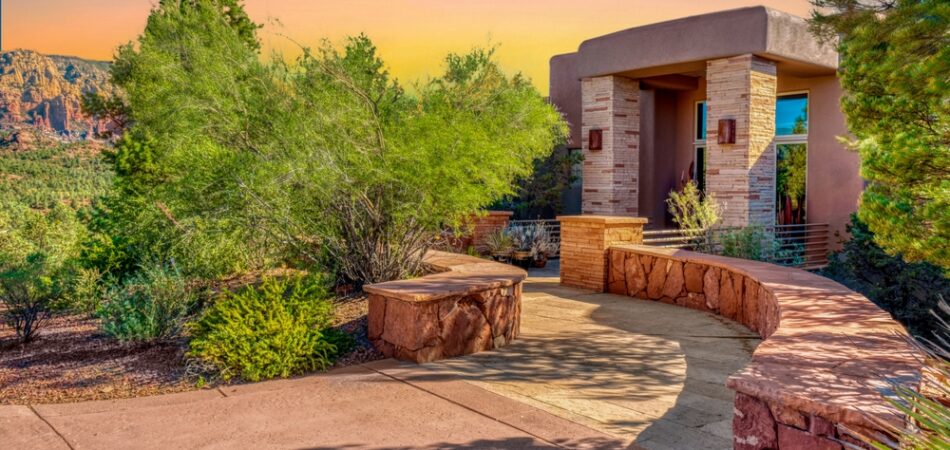
Landscaping across the North Valley is not one-size-fits-all. A property near the foothills of North Scottsdale can present very different design priorities from acreage in Cave Creek, a planned-community lot in Anthem, or an open desert property in Rio Verde.
The differences go beyond appearance. Lot size, surrounding desert, elevation, exposure, drainage, irrigation needs, community standards, and how homeowners use their outdoor spaces can all shape a landscape plan.
Quick answer: Landscaping in North Scottsdale, Cave Creek, Anthem, and Rio Verde should reflect the character and physical conditions of each property. North Scottsdale often calls for refined desert design that complements upscale architecture, while Cave Creek properties may favor a more natural Sonoran Desert character. Anthem commonly involves more defined residential lots and community considerations. Rio Verde properties can benefit from designs that respond carefully to open desert surroundings, views, drainage, and water use.
What North Valley property owners should know
-
North Scottsdale landscapes often need to balance polished outdoor living areas with the surrounding Sonoran Desert.
-
Cave Creek properties can have larger or less conventional lots where terrain and existing desert vegetation influence the design.
-
Anthem’s planned residential setting can make lot layout and applicable community landscape requirements especially important.
-
Rio Verde landscapes often benefit from preserving the visual relationship between the home and surrounding desert.
-
Plant selection, irrigation, drainage, shade, hardscape, and outdoor-use goals should be considered together rather than as separate projects.
Why Does Landscaping Need to Change Across the North Valley?
Landscaping needs to change across the North Valley because properties differ in terrain, development patterns, architecture, exposure, lot size, and relationship to the natural desert. A design that feels appropriate on a compact Anthem lot may not translate well to a larger Cave Creek property or an open Rio Verde homesite.
The Sonoran Desert provides the regional backdrop, but local conditions still matter.
North Scottsdale includes everything from established residential neighborhoods to properties closer to the McDowell Mountains and desert preserves. Cave Creek has a distinctly rural and desert-oriented character in many areas. Anthem is a master-planned community where homes and landscapes generally occupy more clearly defined residential lots. Rio Verde sits farther east, where open desert surroundings and views can play a major role in landscape decisions.
Landscape 20/20 LLC approaches North Valley landscape planning with those property differences in mind. We look at how the home, lot, outdoor spaces, existing landscape, and surrounding environment work together before determining what makes sense for a particular property.
How Is Landscaping in North Scottsdale Different?
Landscaping in North Scottsdale often emphasizes a refined desert appearance, architectural compatibility, outdoor living, and a carefully planned transition between developed spaces and the Sonoran Desert. Properties near the McDowell Mountains may also place a particularly high value on views and the natural desert setting.
A contemporary home, for example, may call for clean hardscape lines, restrained planting areas, and carefully positioned accent plants. A Southwestern-style property may support a softer landscape with native and desert-adapted plants that visually connect the house to its surroundings.
Outdoor living can also influence the entire layout. Patios, walkways, gathering areas, shade, lighting, and planting should feel connected rather than added independently over time.
For properties near natural desert areas, successful landscaping often comes down to restraint. Trying to make every portion of a lot equally lush or developed can work against the setting.
What Makes Cave Creek Properties Different to Landscape?
Cave Creek landscaping often needs to respond to larger lots, irregular terrain, natural desert vegetation, and a more rural visual character. Instead of making every space feel highly manicured, a design may work better when developed areas transition gradually into the surrounding desert.
That transition can be especially important around driveways, patios, entrances, and outdoor gathering areas.
A property owner might want the immediate area around the house to feel finished while allowing outer portions of the lot to retain a more natural appearance. Plant placement, rock, grading, pathways, and irrigation zones can help create that distinction.
Terrain deserves attention too. Water does not always move across a desert property in an obvious way during dry weather. Monsoon rainfall can reveal drainage paths quickly, so existing grades and runoff patterns should be considered before significant hardscape or planting changes are made.
What Should Anthem Homeowners Prioritize in Landscape Design?
Anthem homeowners should prioritize efficient use of defined residential space, practical outdoor living, appropriate plant placement, and any landscape requirements that apply to their property. Because Anthem has a more planned residential pattern, landscape improvements often need to accomplish several goals within a comparatively structured lot.
That can make space planning especially valuable.
Rather than adding isolated features, homeowners can first decide how the yard needs to function. That might include a shaded sitting area, open space, planting for visual interest, a walkway, or a more attractive transition between the home and yard.
Plant size at maturity also matters. A plant that looks appropriately scaled when installed can eventually crowd a walkway, wall, window, or neighboring area if its mature dimensions were not considered.
Before making exterior changes, homeowners should also confirm any current community or association requirements that apply to their specific property.
How Should Rio Verde Landscaping Respond to the Surrounding Desert?
Rio Verde landscaping should generally respect open desert views, natural surroundings, water use, drainage, and the visual scale of the property. Designs can feel more connected to the setting when plants and hardscape complement the landscape rather than creating a sharp visual boundary around the home.
Views are an important design consideration. Tall or dense plantings placed without considering sightlines can interfere with the very desert scenery that makes the location appealing.
Exposure matters as well. Open areas may experience intense sun and wind, which can influence where shade, gathering areas, and particular plants make the most sense.
The goal does not have to be an untouched desert yard. A property can include polished outdoor living spaces while still using materials, plant groupings, and transitions that fit the Rio Verde setting.
What Local Field Conditions Should Influence a Landscape Plan?
North Valley landscape planning should account for intense summer heat, seasonal monsoon rainfall, desert soils, sun exposure, drainage patterns, and the property’s existing vegetation. These conditions influence where plants thrive, how irrigation should be organized, and where hardscape or outdoor-use areas make sense.
Professional field observation is especially useful because conditions can vary significantly from one lot to another.
Sun exposure is a good example. A west-facing planting area against a heat-reflective wall experiences a different environment from a protected courtyard. Likewise, low areas where stormwater collects require different planning from elevated or sloped portions of a property.
Existing vegetation can also provide useful clues about microclimates and how the property has been managed.
What Warning Signs Suggest a Landscape Needs a Better Plan?
A North Valley landscape may need redesign or corrective work when plants repeatedly struggle, irrigation does not match planting needs, drainage causes erosion or pooling, or outdoor spaces no longer function well. These issues can indicate that individual landscape components were installed without enough attention to the property as a whole.
Watch for:
-
Plants repeatedly declining in the same locations.
-
Irrigation reaching areas that do not need the same amount of water.
-
Water collecting near patios, walls, or other developed areas.
-
Visible erosion after monsoon storms.
-
Plants crowding walkways, windows, or neighboring plants.
-
Large sections of the yard that serve no clear purpose.
-
Hardscape and planting areas that feel disconnected.
-
Outdoor gathering areas that receive uncomfortable afternoon sun.
These symptoms do not automatically mean the entire landscape needs replacement. Sometimes improving layout, irrigation, plant placement, or drainage can address the underlying problem.
When Should You Call a Landscaping Professional?
A landscaping professional is worth calling when a project involves substantial redesign, irrigation changes, grading, drainage, hardscape, significant plant installation, or multiple improvements that need to work together. Property owners can safely handle basic observation and routine maintenance, but larger changes benefit from a coordinated plan.
Before calling, homeowners can identify where water collects after storms, which areas receive morning or afternoon sun, what parts of the yard are rarely used, and which views they want to preserve.
That information can make the design conversation more productive.
Professional planning becomes particularly valuable when solving one problem could create another. Changing grades, adding hardscape, or relocating irrigation, for example, can affect surrounding areas.
What Are Common Causes of Poor Landscape Performance in the North Valley?
Poor landscape performance in the North Valley commonly results from mismatched plant placement, inefficient irrigation, inadequate drainage planning, heat exposure, and designs that do not account for the property’s specific setting. These problems become more noticeable under Arizona’s demanding summer and monsoon conditions.
1. Plant and exposure mismatch
Full sun is not identical everywhere. Reflected heat from walls, pavement, and rock can create particularly demanding planting locations.
2. Irrigation that treats everything alike
Different plants and landscape zones can have different watering needs. A landscape is easier to manage when irrigation planning reflects those differences.
3. Ignoring drainage
Dry conditions can make drainage seem unimportant until a monsoon storm arrives. Grading and runoff should be considered before adding major hardscape or altering the property.
4. Designing without considering mature plant size
Overplanting may produce an immediate finished appearance but can lead to crowding and unnecessary maintenance later.
5. Copying another neighborhood’s landscape
A North Scottsdale design is not automatically appropriate for Cave Creek, Anthem, or Rio Verde. The property itself should guide the plan.
How Can North Valley Homeowners Maintain Their Landscaping?
North Valley homeowners can protect their landscaping by checking irrigation regularly, watching plant health, monitoring drainage after storms, and scheduling maintenance around seasonal desert conditions. Small corrections made early are usually easier to address than problems that continue through multiple seasons.
Before peak summer heat, inspect irrigation coverage and look for obvious leaks or clogged emitters. During hot weather, watch for plants showing unusual stress rather than assuming every issue requires additional water.
After monsoon storms, inspect for erosion, displaced material, standing water, and damaged plants.
DIY maintenance is reasonable for simple cleanup and observation. Irrigation redesign, substantial grading, drainage corrections, hardscape installation, and major landscape changes are better handled with appropriate professional planning.
What Results Should You Expect From a Thoughtful Landscape Redesign?
A thoughtful landscape redesign should produce a yard that functions more logically, fits the property visually, and is easier to understand and maintain over time. Results depend on the existing site and scope, but the goal should be a coordinated landscape rather than a collection of unrelated improvements.
For North Scottsdale, that might mean stronger integration between architecture and desert planting.
In Cave Creek, it could mean a smoother transition between finished spaces and natural desert.
In Anthem, the priority might be getting more function from a defined backyard.
For Rio Verde, it could mean improving outdoor living while maintaining important desert views.
What Landscaping Mistakes Should North Valley Property Owners Avoid?
The biggest landscaping mistakes in the North Valley come from designing for immediate appearance instead of long-term function, climate, drainage, and plant growth. A landscape can look attractive when newly installed and still create maintenance or performance problems later.
Mistake: Overplanting.
Consequence: Plants can compete for space and eventually require frequent trimming.
Better approach: Plan around mature plant dimensions.
Mistake: Ignoring afternoon exposure.
Consequence: Plants and seating areas can be placed in unnecessarily harsh conditions.
Better approach: Evaluate sun patterns before finalizing the layout.
Mistake: Changing drainage without a plan.
Consequence: Stormwater may move toward unwanted areas.
Better approach: Consider runoff and grading before installing major hardscape.
Mistake: Designing each feature separately.
Consequence: Patios, paths, plants, and irrigation can feel disconnected.
Better approach: Develop an overall landscape plan first.
What Does a Common North Valley Landscape Scenario Look Like?
A common North Valley scenario is a property with an established but disconnected landscape where plants, irrigation, hardscape, and outdoor-use areas have been changed at different times. The yard may technically function, but individual improvements do not work together as a unified space.
A better planning process starts with the whole property.
Which areas should be used regularly? Which views matter? Where does afternoon heat create problems? How does stormwater move? Which existing plants should remain? Which spaces need irrigation?
Answering those questions before choosing individual materials or plants helps create a more coherent result.
Which Landscape Services Can Help Solve These Problems?
Landscape design, planting, irrigation work, hardscape planning, drainage-related improvements, and ongoing landscape care can address different parts of a North Valley property’s needs when those services are appropriate to the site. The right scope depends on what already exists and what the homeowner wants the property to accomplish.
We can help property owners evaluate their landscape goals and determine which improvements make sense for the site.
How Do You Compare Landscape Design Options?
The best landscape option is the one that fits how you use the property while accounting for its location, maintenance expectations, existing conditions, and long-term goals. Comparing designs based only on installation appearance can overlook differences in water use, maintenance, shade, drainage, and future plant growth.
A smaller targeted improvement may make sense when most of the existing landscape functions well.
A broader redesign may be more practical when irrigation, plant placement, drainage, hardscape, and outdoor-use areas all need attention.
The decision should begin with the property rather than a predetermined style.
What Areas Can Be Considered When Planning a North Valley Landscape?
North Valley landscape planning can vary substantially among North Scottsdale, Cave Creek, Anthem, Rio Verde, and surrounding communities because each area has its own property patterns and desert context. Even neighboring homes can have different sun exposure, drainage, architecture, existing vegetation, and outdoor-use requirements.
We recommend evaluating the actual site rather than assuming a landscape approach that worked elsewhere will automatically fit another property.
What Can Happen If Landscape Problems Are Ignored?
Ignoring landscape problems can allow irrigation inefficiency, plant decline, erosion, drainage concerns, overcrowding, and underused outdoor spaces to become more difficult to correct. North Valley heat and monsoon conditions can expose weaknesses in a landscape that seemed minor during milder weather.
Waiting is not always harmful. Cosmetic changes can often wait until they fit the homeowner’s priorities.
Functional issues deserve more attention. Persistent leaks, repeated erosion, water moving toward developed areas, or recurring plant failures are signals that the underlying cause should be investigated rather than repeatedly patched.
FAQ About Landscaping in North Scottsdale, Cave Creek, Anthem, and Rio Verde
Is landscaping in North Scottsdale different from Cave Creek?
Yes, the appropriate landscape approach can differ considerably between North Scottsdale and Cave Creek. North Scottsdale properties may lean toward refined desert landscapes and integrated outdoor living, while Cave Creek properties can have larger lots, natural terrain, and a more rural desert character. The individual lot and homeowner’s goals should ultimately determine the design.
What landscaping works best for North Scottsdale homes?
North Scottsdale homes generally benefit from landscaping that combines desert-appropriate planting, functional outdoor spaces, thoughtful irrigation, and a design compatible with the home’s architecture. Properties near the McDowell Mountains may also benefit from careful consideration of views and transitions to surrounding desert areas.
Should Cave Creek landscaping look more natural?
A natural desert character can work particularly well for many Cave Creek properties, but it is not a requirement. Homeowners can create more polished spaces near the house while allowing other areas to transition into existing desert vegetation, creating a landscape that feels intentional without making the entire property equally developed.
What should Anthem homeowners check before changing landscaping?
Anthem homeowners should check any current community or association requirements applicable to their property before making significant exterior landscape changes. They should also evaluate irrigation, mature plant sizes, sun exposure, drainage, and how the available yard space needs to function before choosing plants or hardscape.
How should Rio Verde homeowners plan around desert views?
Rio Verde homeowners can protect desert views by considering sightlines before placing trees, large shrubs, structures, or other visually prominent landscape elements. Planning seating areas and plant heights around important views can allow the landscape to provide shade, character, and usable outdoor space without unnecessarily blocking the surrounding scenery.
Does monsoon drainage matter for North Valley landscaping?
Yes, monsoon drainage should be considered when planning North Valley landscaping because intense seasonal rainfall can reveal runoff paths and low areas that are less obvious during dry weather. Homeowners should observe where water moves and collects before making significant grading or hardscape changes.
Are desert plants maintenance-free in Scottsdale-area landscapes?
No, desert-adapted plants are not automatically maintenance-free. They still require appropriate placement, establishment care, irrigation management, and pruning suited to the plant. Selecting plants for their mature size and exposure can reduce avoidable maintenance and help them fit more naturally into a Scottsdale-area landscape.
Should I redesign my whole yard or improve one area at a time?
Either approach can work, but an overall plan is useful even when improvements will happen in stages. A master plan helps North Valley homeowners avoid installing a patio, irrigation zone, pathway, or planting area that later conflicts with another part of the landscape.
Create a Landscape That Fits Your Part of the North Valley
A successful desert landscape should fit more than Arizona’s climate. It should fit the specific property, surrounding community, architecture, views, outdoor lifestyle, and long-term maintenance expectations.
Whether the property is in North Scottsdale, Cave Creek, Anthem, or Rio Verde, we can help you explore a landscape approach built around the site rather than a generic template.